nexusstc/The History of al-Ṭabarī, Vol. 30: The ‘Abbāsid Caliphate in Equilibrium: The Caliphates of Musa al-Hadi and Harun al-Rashid A.D. 785-809/A.H. 169-193/1092fcf7aa3467aee9ce803afefa05a0.pdf
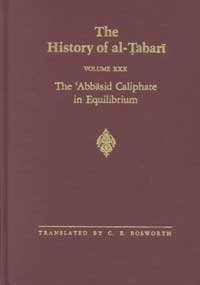
The History of al-Ṭabarī, Vol. 30: The ‘Abbāsid Caliphate in Equilibrium: The Caliphates of Musa al-Hadi and Harun al-Rashid A.D. 785-809/A.H. 169-193 30 🔍
al-Ṭabarī, Clifford Edmund Bosworth
State University of New York Press, SUNY Series in Near Eastern Studies, 30, 0, 1989
English [en] · PDF · 18.7MB · 1989 · 📘 Book (non-fiction) · 🚀/lgli/lgrs/nexusstc/zlib · Save
description
This Volume Of Al-tabari's History Covers Nearly A Quarter Of A Century, And After Covering The Very Brief Caliphate Of Al-hadi, Concentrates On That Of Harun Al-rashid. During These Years, The Caliphate Was In A State Of Balance With Its External Foes; The Great Enemy, Christian Byzantium, Was Regarded With Respect By The Muslims, And The Two Great Powers Of The Near East Treated Each Other Essentially As Equals, While The Caucasian And Central Asian Frontiers Were Held Against Pressure From The Turkish Peoples Of Inner Eurasia. The Main Stresses Were Internal, Including Shi'ite Risings On Behalf Of The Excluded House Of 'ali, And Revolts By The Radical Equalitarian Kharijites; But None Of These Was Serious Enough To Affect The Basic Stability Of The Caliphate. Harun Al-rashid's Caliphate Has Acquired In The West, Under The Influence Of A Misleading Picture From The Arabian Nights, A Glowing Image As A Golden Age Of Islamic Culture And Letters Stemming From The Caliph's Patronage Of The Exponents Of These Arts And Sciences. In Light Of The Picture Of The Caliph Which Emerges From Al-tabari's Pages, However, This Image Seems To Be Distinctly Exaggerated. Al-rashid Himself Does Not Exhibit Any Notable Signs Of Administrative Competence, Military Leadership Or Intellectual Interests Beyond Those Which Convention Demanded Of A Ruler. For Much Of His Reign, He Left The Business Of Government To The Capable Viziers Of The Barmakid Family--the Account Of Whose Spectacular Fall From Power Forms One Of The Most Dramatic Features Of Al-tabari's Narratives Here--and His Decision To Divide The Islamic Empire After His Death Between His Sons Was To Lead Subsequently To A Disastrous Civil War. Nevertheless, Al-tabari's Story Is Full Of Interesting Sidelights On The Lives Of Those Involved In The Court Circle Of The Time And On The Motivations Which Impelled Medieval Muslims To Seek Precarious Careers There. A Discounted Price Is Available When Purchasing The Entire 39-volume History Of Al-tabari Set. Contact Suny Press For More Information.
Alternative filename
lgli/30. The History of al-Tabari. XXX vol - 1989.pdf
Alternative filename
lgrsnf/30. The History of al-Tabari. XXX vol - 1989.pdf
Alternative title
The History of al-Tabari Vol. 30: The 'Abbasid Caliphate in Equilibrium: The Caliphates of Musa al-Hadi and Harun al-Rashid A.D. 785-809/A.H. 169-193 (SUNY series in Near Eastern Studies)
Alternative title
The History of Al-Ṭabarī Vol. 30 : The ʿAbbāsid Caliphate in Equilibrium: The Caliphates of Mūsā Al-Hādī and Hārūn Al-Rashīd A.D. 785-809/A.H. 169-193
Alternative title
The 'Abbasid Caliphate in Equilibrium - The Caliphates of Musa Al-Hadi and Harun Al-Rashid, A. D. 785-809/A. H. 169-193
Alternative title
The ʻAbbāsid Caliphate in equilibrium
Alternative title
Tarīkh al-rusul wa-al-mulūk
Alternative author
translated and annotated by C. E. Bosworth
Alternative author
Abu Ja'far Muhammad ibn Jarir al-Tabari
Alternative author
Abū Jaʿfar Muḥammad ibn Jarīr al-Ṭabarī
Alternative author
Muḥammad Ibn-Ǧarīr aṭ- Ṭabarī, 839-923
Alternative author
Ṭabarī; Bosworth, Clifford Edmund
Alternative author
طبري, 838?-923
Alternative edition
SUNY series in Near Eastern studies, The history of al-Ṭabarī =, Taʼrikh al-rusul wa'l-mulūk ;, v. 30, Bibliotheca Persica, Bibliotheca Persica (Albany, N.Y.), Albany, New York State, 1989
Alternative edition
SUNY series in Near Eastern studies, Bibliotheca Persica, Albany, N.Y, United States, 1989
Alternative edition
State University of New York Press, Albany, N.Y., 1989
Alternative edition
United States, United States of America
Alternative edition
1st, 1989
metadata comments
0
metadata comments
lg1601166
metadata comments
{"isbns":["0887065643","9780887065644"],"last_page":394,"publisher":"State University of New York Press","series":"SUNY Series in Near Eastern Studies","volume":"30"}
metadata comments
Includes index.
Bibliography: p.(337)-349.
Translation of extracts from, Tarīkh al-rusul wa-al-mulūk.
Bibliography: p.(337)-349.
Translation of extracts from, Tarīkh al-rusul wa-al-mulūk.
metadata comments
Bibliography: p. [337]-349.
Translation of extracts from: Tārīkh al-rusul wa-al-mulūk.
Includes index.
Translation of extracts from: Tārīkh al-rusul wa-al-mulūk.
Includes index.
Alternative description
This volume of al-Ṭabarī's History covers nearly a quarter of a century, and after covering the very brief caliphate of al-Hādī, concentrates on that of Hārūn al-Rashīd. During these years, the caliphate was in a state of balance with its external foes; the great enemy, Christian Byzantium, was regarded with respect by the Muslims, and the two great powers of the Near East treated each other essentially as equals, while the Caucasian and Central Asian frontiers were held against pressure from the Turkish peoples of Inner Eurasia. The main stresses were internal, including Shī'ite risings on behalf of the excluded house of'Alī, and revolts by the radical equalitarian Khārijites; but none of these was serious enough to affect the basic stability of the caliphate.Hārūn ar-Rashīd's caliphate has acquired in the West, under the influence of a misleading picture from the Arabian Nights, a glowing image as a golden age of Islamic culture and letters stemming from the Caliph's patronage of the exponents of these arts and sciences. In light of the picture of the Caliph which emerges from al-Ṭabarī's pages, however, this image seems to be distinctly exaggerated. Al-Rashīd himself does not exhibit any notable signs of administrative competence, military leadership or intellectual interests beyond those which convention demanded of a ruler. For much of his reign, he left the business of government to the capable viziers of the Barmakīd family--the account of whose spectacular fall from power forms one of the most dramatic features of al-Ṭabarī's narratives here--and his decision to divide the Islamic empire after his death between his sons was to lead subsequently to a disastrous civil war. Nevertheless, al-Ṭabarī's story is full of interesting sidelights on the lives of those involved in the court circle of the time and on the motivations which impelled medieval Muslims to seek precarious careers there.A discounted price is available when purchasing the entire 39-volume History of al-Ṭabarī set. Contact SUNY Press for more information.
date open sourced
2016-12-21
🚀 Fast downloads
Become a member to support the long-term preservation of books, papers, and more. To show our gratitude for your support, you get fast downloads. ❤️
- Fast Partner Server #1 (recommended)
- Fast Partner Server #2 (recommended)
- Fast Partner Server #3 (recommended)
- Fast Partner Server #4 (recommended)
- Fast Partner Server #5 (recommended)
- Fast Partner Server #6 (recommended)
- Fast Partner Server #7
- Fast Partner Server #8
- Fast Partner Server #9
- Fast Partner Server #10
- Fast Partner Server #11
- Fast Partner Server #12
🐢 Slow downloads
From trusted partners. More information in the FAQ. (might require browser verification — unlimited downloads!)
- Slow Partner Server #1 (slightly faster but with waitlist)
- Slow Partner Server #2 (slightly faster but with waitlist)
- Slow Partner Server #3 (slightly faster but with waitlist)
- Slow Partner Server #4 (slightly faster but with waitlist)
- Slow Partner Server #5 (no waitlist, but can be very slow)
- Slow Partner Server #6 (no waitlist, but can be very slow)
- Slow Partner Server #7 (no waitlist, but can be very slow)
- Slow Partner Server #8 (no waitlist, but can be very slow)
- Slow Partner Server #9 (no waitlist, but can be very slow)
- After downloading: Open in our viewer
All download options have the same file, and should be safe to use. That said, always be cautious when downloading files from the internet, especially from sites external to Anna’s Archive. For example, be sure to keep your devices updated.
External downloads
-
For large files, we recommend using a download manager to prevent interruptions.
Recommended download managers: JDownloader -
You will need an ebook or PDF reader to open the file, depending on the file format.
Recommended ebook readers: Anna’s Archive online viewer, ReadEra, and Calibre -
Use online tools to convert between formats.
Recommended conversion tools: CloudConvert and PrintFriendly -
You can send both PDF and EPUB files to your Kindle or Kobo eReader.
Recommended tools: Amazon‘s “Send to Kindle” and djazz‘s “Send to Kobo/Kindle” -
Support authors and libraries
✍️ If you like this and can afford it, consider buying the original, or supporting the authors directly.
📚 If this is available at your local library, consider borrowing it for free there.
Total downloads:
A “file MD5” is a hash that gets computed from the file contents, and is reasonably unique based on that content. All shadow libraries that we have indexed on here primarily use MD5s to identify files.
A file might appear in multiple shadow libraries. For information about the various datasets that we have compiled, see the Datasets page.
For information about this particular file, check out its JSON file. Live/debug JSON version. Live/debug page.