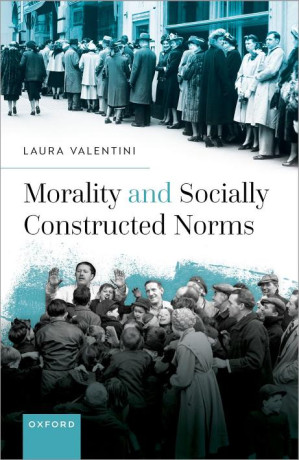
Morality and Socially Constructed Norms 🔍
Laura Valentini; Laura (Professor of Philosophy and Political Theory Valentini, Professor of Philosophy and Political Theory Ludwig-Maximilians-Universitat Munchen)
IRL Press at Oxford University Press, PT, 2024
English [en] · PDF · 4.6MB · 2024 · 📘 Book (non-fiction) · 🚀/lgli/lgrs/zlib · Save
description
DOI: 10.1093/9780191938115.001.0001In: Morality and Socially Constructed NormsPublished: 2023-10-26Abstract: Socially constructed norms are everywhere: from the “ladies first” custom to the practice of queuing, from the religious norm that prescribes chastity before marriage all the way to the complex demands that the law places on us. A constant presence in our lives, socially constructed norms elicit mixed emotions. On the one hand, we often feel their moral pull: we think that we would act wrongly if we violated them. On the other hand, we look at them with suspicion: even the most ostensibly innocuous norms may contribute to perpetuating injustice. The challenge, then, is to explain when socially constructed norms place moral demands on us and when they do not. Morality and Socially Constructed Norms addresses this challenge. It traces the moral significance of socially constructed norms to the agential commitments underpinning them and explains when and why those commitments ought to be respected. The book explores the implications of this explanation for three core questions in moral, legal, and political philosophy: the grounding of moral rights, the obligation to obey the law, and the wrong of sovereignty violations. In doing so, Morality and Socially Constructed Norms shows how much progress can be made in normative theorizing when we give socially constructed norms their (moral) due.
Alternative filename
lgrsnf/Morality and Socially Constructed Norms - Laura Valentini.pdf
Alternative author
Prof Laura Valentini
Alternative publisher
Oxford Institute for Energy Studies
Alternative publisher
German Historical Institute London
Alternative publisher
E-CONTENT GENERIC VENDOR
Alternative publisher
OUP Oxford
Alternative edition
United Kingdom and Ireland, United Kingdom
Alternative edition
Oxford University Press USA, Oxford, 2023
Alternative edition
S.l, uuuu
Alternative description
Cover
Morality and Socially Constructed Norms
Copyright
Contents
Acknowledgements
Introduction
1. Why the Moral Force of Socially Constructed Norms?
2. Our Topic in Focus
3. Desiderata
4. The Agency-Respect View
5. Implications
6. Ambitions and Limitations
7. Methodology
1: What Are Socially Constructed Norms?
1. Norms: Moral versus Socially Constructed
2. Socially Constructed Norms: The Agential-Investment Account
3. Why the Agential-Investment Account?
4. Intentions and Socially Constructed Norms
5. Distinguishing Socially Constructed Norms from Related Phenomena
6. Varieties of Socially Constructed Norms
7. Socially Constructed Norms and Moral Reactive Attitudes
8. Conclusion
2: Grounding the Moral Force of Socially Constructed Norms
1. The Deflationary View and Its Attractions
2. The Limitations of the Deflationary View
3. Vindicating the Moral Force of Socially Constructed Norms
4. The Principle of Established Practices
5. The Conventionalist View
6. The Normative-Interests View
7. The Joint-Commitments View
8. Conclusion
3: The Agency-Respect View
1. Desiderata
2. Respecting Normative Worlds
3. Principle P: The Agency-Respect Principle
4. Empirical Fact F: Socially Constructed Norms and People’s Commitments
5. Action Required: The Obligation to Obey Socially Constructed Norms
6. The Explanatory Power of the Agency-Respect View
7. How the Agency-Respect View Fits the Evidence
8. Objections
9. Conclusion
4: Grounding Moral Rights
1. Two Types of Rights: Rights as Inviolability and Rights as Control
2. Rights as Control
3. Normative Powers, Publicity, and Socially Constructed Norms
4. Linguistic Conventions, Speech Acts, and Normative Powers
5. Intentions and Normative Powers
6. Demanding and Waiving Unintentionally
7. De Facto Powers, Moral Powers, and Socially Constructed Norms
8. From De Facto to Moral Powers
9. Rights and Wrongings
10. Conclusion
5: Grounding Political Obligation
1. The Political-Obligation Debate: Terminology and Significance
2. The Difficulties with Existing Views
3. Democratic Theory
4. The Agency-Respect View
5. The Agency-Respect View and Civil Disobedience
6. Between Anarchism and Legal Normativism
7. Conclusion
6: Explaining the Wrong of Sovereignty Violations
1. Defining Sovereignty
2. The Sovereignty-Violation Trilemma
3. Giving Up Normative Individualism
4. Giving Up the Wrong of Sovereignty Violations
5. Contesting That Individuals’ Legitimate Interests Are Not Undermined
6. The Agency-Respect View
7. Back to Our Three Cases
8. Concerns
9. Conclusion
Conclusion
1. Conformity, Obedience, and the Deflationary View
2. Agency Respect
3. Who Is Wronged by Breaches of Socially Constructed Norms?
4. When in Rome Do as the Romans Do
References
Index
Morality and Socially Constructed Norms
Copyright
Contents
Acknowledgements
Introduction
1. Why the Moral Force of Socially Constructed Norms?
2. Our Topic in Focus
3. Desiderata
4. The Agency-Respect View
5. Implications
6. Ambitions and Limitations
7. Methodology
1: What Are Socially Constructed Norms?
1. Norms: Moral versus Socially Constructed
2. Socially Constructed Norms: The Agential-Investment Account
3. Why the Agential-Investment Account?
4. Intentions and Socially Constructed Norms
5. Distinguishing Socially Constructed Norms from Related Phenomena
6. Varieties of Socially Constructed Norms
7. Socially Constructed Norms and Moral Reactive Attitudes
8. Conclusion
2: Grounding the Moral Force of Socially Constructed Norms
1. The Deflationary View and Its Attractions
2. The Limitations of the Deflationary View
3. Vindicating the Moral Force of Socially Constructed Norms
4. The Principle of Established Practices
5. The Conventionalist View
6. The Normative-Interests View
7. The Joint-Commitments View
8. Conclusion
3: The Agency-Respect View
1. Desiderata
2. Respecting Normative Worlds
3. Principle P: The Agency-Respect Principle
4. Empirical Fact F: Socially Constructed Norms and People’s Commitments
5. Action Required: The Obligation to Obey Socially Constructed Norms
6. The Explanatory Power of the Agency-Respect View
7. How the Agency-Respect View Fits the Evidence
8. Objections
9. Conclusion
4: Grounding Moral Rights
1. Two Types of Rights: Rights as Inviolability and Rights as Control
2. Rights as Control
3. Normative Powers, Publicity, and Socially Constructed Norms
4. Linguistic Conventions, Speech Acts, and Normative Powers
5. Intentions and Normative Powers
6. Demanding and Waiving Unintentionally
7. De Facto Powers, Moral Powers, and Socially Constructed Norms
8. From De Facto to Moral Powers
9. Rights and Wrongings
10. Conclusion
5: Grounding Political Obligation
1. The Political-Obligation Debate: Terminology and Significance
2. The Difficulties with Existing Views
3. Democratic Theory
4. The Agency-Respect View
5. The Agency-Respect View and Civil Disobedience
6. Between Anarchism and Legal Normativism
7. Conclusion
6: Explaining the Wrong of Sovereignty Violations
1. Defining Sovereignty
2. The Sovereignty-Violation Trilemma
3. Giving Up Normative Individualism
4. Giving Up the Wrong of Sovereignty Violations
5. Contesting That Individuals’ Legitimate Interests Are Not Undermined
6. The Agency-Respect View
7. Back to Our Three Cases
8. Concerns
9. Conclusion
Conclusion
1. Conformity, Obedience, and the Deflationary View
2. Agency Respect
3. Who Is Wronged by Breaches of Socially Constructed Norms?
4. When in Rome Do as the Romans Do
References
Index
Alternative description
Observe social distancing. Tip your waiter. Give priority to the elderly. Stop at the red light. Pay your taxes. Do not chew with your mouth open. These are imperatives we face every day, imposed upon us by norms that happen to be generally accepted in our environment. Call these'socially constructed norms'. A constant presence in our lives, these norms elicit mixed feelings. On the one hand, we treat them as valid standards of behaviour and respond to their violation with emotions such disapproval, resentment, and guilt. On the other hand, we look at them with suspicion: after all, they are arbitrary human constructs that may contribute to oppression and injustice. In light of this ambivalence, it is important to have a criterion telling us when, if ever, we are morally bound by socially constructed norms and when we should instead disregard them. Morality and Socially Constructed Norms systematically develops such a criterion. It traces the moral significance of those norms to the agential commitments that underpin them, and explains why those commitments ought to be respected, provided the content of the corresponding norms is consistent with independent moral constraints. The book then explores the implications of this view for three core questions in moral, legal, and political philosophy: the grounding of moral rights, the obligation to obey the law, and the wrong of sovereignty violations. Morality and Socially Constructed Norms shows how much progress can be made in normative theorizing when we give socially constructed norms their (moral) due.
Alternative description
Observe social distancing. Tip your waiter. Give priority to the elderly. Stop at the red light. Pay your taxes. Do not chew with your mouth open. These are imperatives we face every day, imposed upon us by norms that happen to be generally accepted in our environment. Call these 'socially constructed norms'. A constant presence in our lives, these norms elicit mixed feelings. On the one hand, we treat them as valid standards of behaviour and respond to their violation with emotions such disapproval, resentment, and guilt. On the other hand, we look at them with after all, they are arbitrary human constructs that may contribute to oppression and injustice. In light of this ambivalence, it is important to have a criterion telling us when, if ever, we are morally bound by socially constructed norms and when we should instead disregard them. Morality and Socially Constructed Norms systematically develops such a criterion. It traces the moral significance of those norms to
the agential commitments that underpin them, and explains why those commitments ought to be respected, provided the content of the corresponding norms is consistent with independent moral constraints. The book then explores the implications of this view for three core questions in moral, legal, and political the grounding of moral rights, the obligation to obey the law, and the wrong of sovereignty violations. Morality and Socially Constructed Norms shows how much progress can be made in normative theorizing when we give socially constructed norms their (moral) due.
the agential commitments that underpin them, and explains why those commitments ought to be respected, provided the content of the corresponding norms is consistent with independent moral constraints. The book then explores the implications of this view for three core questions in moral, legal, and political the grounding of moral rights, the obligation to obey the law, and the wrong of sovereignty violations. Morality and Socially Constructed Norms shows how much progress can be made in normative theorizing when we give socially constructed norms their (moral) due.
date open sourced
2024-01-04
🚀 Fast downloads
Become a member to support the long-term preservation of books, papers, and more. To show our gratitude for your support, you get fast downloads. ❤️
- Fast Partner Server #1 (recommended)
- Fast Partner Server #2 (recommended)
- Fast Partner Server #3 (recommended)
- Fast Partner Server #4 (recommended)
- Fast Partner Server #5 (recommended)
- Fast Partner Server #6 (recommended)
- Fast Partner Server #7
- Fast Partner Server #8
- Fast Partner Server #9
- Fast Partner Server #10
- Fast Partner Server #11
- Fast Partner Server #12
🐢 Slow downloads
From trusted partners. More information in the FAQ. (might require browser verification — unlimited downloads!)
- Slow Partner Server #1 (slightly faster but with waitlist)
- Slow Partner Server #2 (slightly faster but with waitlist)
- Slow Partner Server #3 (slightly faster but with waitlist)
- Slow Partner Server #4 (slightly faster but with waitlist)
- Slow Partner Server #5 (no waitlist, but can be very slow)
- Slow Partner Server #6 (no waitlist, but can be very slow)
- Slow Partner Server #7 (no waitlist, but can be very slow)
- Slow Partner Server #8 (no waitlist, but can be very slow)
- Slow Partner Server #9 (no waitlist, but can be very slow)
- After downloading: Open in our viewer
All download options have the same file, and should be safe to use. That said, always be cautious when downloading files from the internet, especially from sites external to Anna’s Archive. For example, be sure to keep your devices updated.
External downloads
-
For large files, we recommend using a download manager to prevent interruptions.
Recommended download managers: JDownloader -
You will need an ebook or PDF reader to open the file, depending on the file format.
Recommended ebook readers: Anna’s Archive online viewer, ReadEra, and Calibre -
Use online tools to convert between formats.
Recommended conversion tools: CloudConvert and PrintFriendly -
You can send both PDF and EPUB files to your Kindle or Kobo eReader.
Recommended tools: Amazon‘s “Send to Kindle” and djazz‘s “Send to Kobo/Kindle” -
Support authors and libraries
✍️ If you like this and can afford it, consider buying the original, or supporting the authors directly.
📚 If this is available at your local library, consider borrowing it for free there.
Total downloads:
A “file MD5” is a hash that gets computed from the file contents, and is reasonably unique based on that content. All shadow libraries that we have indexed on here primarily use MD5s to identify files.
A file might appear in multiple shadow libraries. For information about the various datasets that we have compiled, see the Datasets page.
For information about this particular file, check out its JSON file. Live/debug JSON version. Live/debug page.