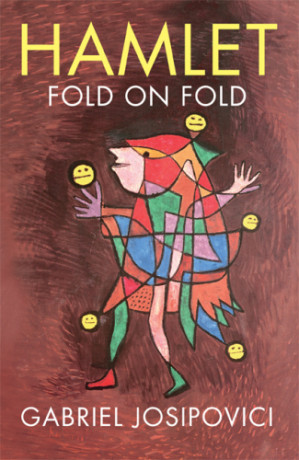
Hamlet : Fold on Fold 🔍
Josipovici, Gabriel
Yale University Press, Yale University Press, New Haven, 2016
English [en] · EPUB · 0.7MB · 2016 · 📘 Book (non-fiction) · 🚀/lgli/lgrs/nexusstc/upload/zlib · Save
description
William Shakespeare's __Hamlet__ is probably the best-known and most commented upon work of literature in Western culture. The paradox is that it is at once utterly familiar and strangely elusive—very like our own selves, argues Gabriel Josipovici in this stimulating and original study. Moreover, our desire to master this elusiveness, to “pluck the heart out of its mystery,” as Hamlet himself says, precisely mirrors what is going on in the play; and what Shakespeare's play demonstrates is that to conceive human character (and works of art) in this way is profoundly misguided.
Rather than rushing to conclusions or setting out a theory of what __Hamlet__ is “about,” therefore, we should read and watch patiently and openly, allowing the play to unfold before us in its own time and trying to see each moment in the context of the whole. Josipovici’s valuable book is thus an exercise in analysis which puts the physical experience of watching and reading at the heart of the critical process—at once a practical introduction to a great and much-loved play and a sophisticated intervention in some of the key questions of theory and aesthetics of our time.
Rather than rushing to conclusions or setting out a theory of what __Hamlet__ is “about,” therefore, we should read and watch patiently and openly, allowing the play to unfold before us in its own time and trying to see each moment in the context of the whole. Josipovici’s valuable book is thus an exercise in analysis which puts the physical experience of watching and reading at the heart of the critical process—at once a practical introduction to a great and much-loved play and a sophisticated intervention in some of the key questions of theory and aesthetics of our time.
Alternative filename
lgli/Z:\Bibliotik_\21\H\Hamlet - Gabriel Josipovici.epub
Alternative filename
lgrsnf/Z:\Bibliotik_\21\H\Hamlet - Gabriel Josipovici.epub
Alternative filename
nexusstc/Hamlet: Fold on Fold/a87eb8adcd49f3b80f217c2749c8d3dc.epub
Alternative author
Gabriel Josipovici; Yale University Press
Alternative publisher
San Francisco Museum of Modern Art
Alternative publisher
Brandywine River Museum
Alternative publisher
Mariners' Museum, The
Alternative edition
United States, United States of America
Alternative edition
New Haven ; London, cop. 2016
Alternative edition
First Edition, PS, 2016
Alternative edition
Connecticut, 2016
Alternative edition
1, 2016
Alternative edition
2020
metadata comments
lg2645349
metadata comments
{"isbns":["030021832X","0300221843","9780300218329","9780300221848"],"last_page":296,"publisher":"Yale University Press"}
metadata comments
Includes bibliographical references (pages 267-270) and index.
Alternative description
William Shakespeare's Hamlet Is Probably The Best-known And Most Commented Upon Work Of Literature In Western Culture. The Paradox Is That It Is At Once Utterly Familiar And Strangely Elusive--very Like Our Own Selves, Argues Gabriel Josipovici In This Stimulating And Original Study. Moreover, Our Desire To Master This Elusiveness, To Pluck The Heart Out Of Its Mystery, As Hamlet Himself Says, Precisely Mirrors What Is Going On In The Play; And What Shakespeare's Play Demonstrates Is That To Conceive Human Character (and Works Of Art) In This Way Is Profoundly Misguided. Rather Than Rushing To Conclusions Or Setting Out A Theory Of What Hamlet Is About, Therefore, We Should Read And Watch Patiently And Openly, Allowing The Play To Unfold Before Us In Its Own Time And Trying To See Each Moment In The Context Of The Whole. Josipovici's Valuable Book Is Thus An Exercise In Analysis Which Puts The Physical Experience Of Watching And Reading At The Heart Of The Critical Process--at Once A Practical Introduction To A Great And Much-loved Play And A Sophisticated Intervention In Some Of The Key Questions Of Theory And Aesthetics Of Our Time-- Gabriel Josipovici. Includes Bibliographical References And Index.
Alternative description
<div>William Shakespeare's <I>Hamlet </I>is probably the best-known and most commented upon work of literature in Western culture. The paradox is that it is at once utterly familiar and strangely elusive—very like our own selves, argues Gabriel Josipovici in this stimulating and original study. Moreover, our desire to master this elusiveness, to “pluck the heart out of its mystery,” as Hamlet himself says, precisely mirrors what is going on in the play; and what Shakespeare's play demonstrates is that to conceive human character (and works of art) in this way is profoundly misguided.<BR> <BR> Rather than rushing to conclusions or setting out a theory of what <I>Hamlet</I> is “about,” therefore, we should read and watch patiently and openly, allowing the play to unfold before us in its own time and trying to see each moment in the context of the whole. Josipovici’s valuable book is thus an exercise in analysis which puts the physical experience of watching and reading at the heart of the critical process—at once a practical introduction to a great and much-loved play and a sophisticated intervention in some of the key questions of theory and aesthetics of our time.</div>
Alternative description
"William Shakespeare's Hamlet is probably the best-known and most commented upon work of literature in Western culture. The paradox is that it is at once utterly familiar and strangely elusive--very like our own selves, argues Gabriel Josipovici in this stimulating and original study. Moreover, our desire to master this elusiveness, to "pluck the heart out of its mystery, " as Hamlet himself says, precisely mirrors what is going on in the play; and what Shakespeare's play demonstrates is that to conceive human character (and works of art) in this way is profoundly misguided. Rather than rushing to conclusions or setting out a theory of what Hamlet is "about, " therefore, we should read and watch patiently and openly, allowing the play to unfold before us in its own time and trying to see each moment in the context of the whole. Josipovici's valuable book is thus an exercise in analysis which puts the physical experience of watching and reading at the heart of the critical process--at once a practical introduction to a great and much-loved play and a sophisticated intervention in some of the key questions of theory and aesthetics of our time"-- Provided by publisher
Alternative description
William Shakespeare's Hamlet is probably the best-known and most commented upon work of literature in Western culture. The paradox is that it is at once utterly familiar and strangely elusive—very like our own selves, argues Gabriel Josipovici in this stimulating and original study. Moreover, our desire to master this elusiveness, to “pluck the heart out of its mystery,” as Hamlet himself says, precisely mirrors what is going on in the play; and what Shakespeare's play demonstrates is that to conceive human character (and works of art) in this way is profoundly misguided.  Rather than rushing to conclusions or setting out a theory of what Hamlet is “about,” therefore, we should read and watch patiently and openly, allowing the play to unfold before us in its own time and trying to see each moment in the context of the whole. Josipovici's valuable book is thus an exercise in analysis which puts the physical experience of watching and reading at the heart of the critical process—at once a practical introduction to a great and much-loved play and a sophisticated intervention in some of the key questions of theory and aesthetics of our time.
date open sourced
2020-07-26
🚀 Fast downloads
Become a member to support the long-term preservation of books, papers, and more. To show our gratitude for your support, you get fast downloads. ❤️
- Fast Partner Server #1 (recommended)
- Fast Partner Server #2 (recommended)
- Fast Partner Server #3 (recommended)
- Fast Partner Server #4 (recommended)
- Fast Partner Server #5 (recommended)
- Fast Partner Server #6 (recommended)
- Fast Partner Server #7
- Fast Partner Server #8
- Fast Partner Server #9
- Fast Partner Server #10
- Fast Partner Server #11
- Fast Partner Server #12
🐢 Slow downloads
From trusted partners. More information in the FAQ. (might require browser verification — unlimited downloads!)
- Slow Partner Server #1 (slightly faster but with waitlist)
- Slow Partner Server #2 (slightly faster but with waitlist)
- Slow Partner Server #3 (slightly faster but with waitlist)
- Slow Partner Server #4 (slightly faster but with waitlist)
- Slow Partner Server #5 (no waitlist, but can be very slow)
- Slow Partner Server #6 (no waitlist, but can be very slow)
- Slow Partner Server #7 (no waitlist, but can be very slow)
- Slow Partner Server #8 (no waitlist, but can be very slow)
- Slow Partner Server #9 (no waitlist, but can be very slow)
- After downloading: Open in our viewer
All download options have the same file, and should be safe to use. That said, always be cautious when downloading files from the internet, especially from sites external to Anna’s Archive. For example, be sure to keep your devices updated.
External downloads
-
For large files, we recommend using a download manager to prevent interruptions.
Recommended download managers: JDownloader -
You will need an ebook or PDF reader to open the file, depending on the file format.
Recommended ebook readers: Anna’s Archive online viewer, ReadEra, and Calibre -
Use online tools to convert between formats.
Recommended conversion tools: CloudConvert and PrintFriendly -
You can send both PDF and EPUB files to your Kindle or Kobo eReader.
Recommended tools: Amazon‘s “Send to Kindle” and djazz‘s “Send to Kobo/Kindle” -
Support authors and libraries
✍️ If you like this and can afford it, consider buying the original, or supporting the authors directly.
📚 If this is available at your local library, consider borrowing it for free there.
Total downloads:
A “file MD5” is a hash that gets computed from the file contents, and is reasonably unique based on that content. All shadow libraries that we have indexed on here primarily use MD5s to identify files.
A file might appear in multiple shadow libraries. For information about the various datasets that we have compiled, see the Datasets page.
For information about this particular file, check out its JSON file. Live/debug JSON version. Live/debug page.