upload/alexandrina/Collections/Project-Muse/The Ohio State University Press/Rereading the New Criticism.pdf
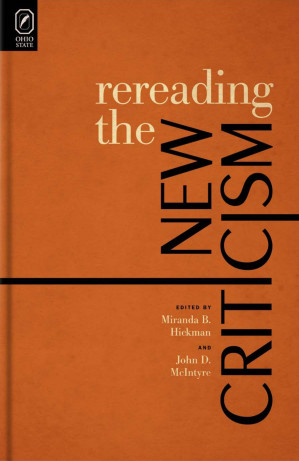
Rereading the New Criticism 🔍
Edited by Miranda B. Hickman and John D. McIntyre
The Ohio State University Press, Columbus, OH, cop. 2012
English [en] · PDF · 11.9MB · 2012 · 📘 Book (non-fiction) · 🚀/lgli/upload/zlib · Save
description
Committed To Rigorous 'close Reading' And Engagement With The 'text Itself' Rather Than Information 'extrinsic' To The Text, John Crowe Ransom And A Group Of Colleagues In The American South Of The 1930s Established A Vanguard Approach To Literary Criticism They Called The'new Criticism.' By The 1940s, New Critical Methods Had Become The Dominant Pedagogy In Departments Of English At Colleges And Universities Across America, Enjoying Disciplinary Hegemony Until The Late 1960s, When An Influx Of New Theoretical Work In Literary Studies Left The New Criticism In Shadow. Inspired By A Range Of New Commentary Reconsidering The New Criticism (from Critics Including Jane Gallop, Terry Eagleton, Charles Altieri, And Camille Paglia), The Essays In Rereading The New Criticism Reevaluate The New Critical Corpus, Trace Its Legacy, And Explore Resources It Might Offer For The Future Of Theory, Criticism, And Pedagogy. Addressing The Work Of New Critics Such As Ransom, Cleanth Brooks, And Robert Penn Warren, As Well As Important Forerunners Of The New Critics Such As I. A. Richards And William Empson, These Ten Essays Shed New Light On The Genesis Of The New Criticism And Its Significant Contributions To The Development Of Academic Literary Studies In North America; Revisit Its Chief Arguments And Methods; Interrogate Received Ideas About The Movement; And Consider How Its Theories And Techniques Might Inform New Methodologies For Literary And Cultural Studies In The Twenty-first Century.--publisher's Description. Aesthetics As Ethics: One And A Half Theses On The New Criticism / Robert Archambeau -- Eliot, The Agrarians, And The Political Subtext Of New Critical Formalism / Alastair Morrison -- Androgyny And Social Upheaval: The Gendered Pretext Of John Crowe Ransom's New Critical Approach / Aaron Shaheen -- The Fugitive And The Exile: Theodor W. Adorno, John Crowe Ransom, And The Kenyon Review / James Matthew Wilson -- No Two Ways About It: William Empson's Enabling Ambiguities / Bradley D. Clissold -- In Pursuit Of Understanding: Louis Untermeyer, Brooks And Warren, And The Red Wheelbarrow / Connor Byrne -- Through Fields Of Cacophonous Modern Masters: James Baldwin And New Critical Modernism / Adam Hammond -- Disagreeable Intellectual Distance: Theory And Politics In The Old Regionalism Of The New Critics / Alexander Macleod -- Teaching With Style: Brooks And Warren's Literary Pedagogy / Tara Lockhart -- A Kind Of Dual Attentiveness: Close Reading After The New Criticism / Cecily Devereux -- Toward A New Close Reading / John Mcintyre And Miranda Hickman. Edited By Miranda B. Hickman And John D. Mcintyre. Includes Bibliographical References And Index.
Alternative filename
lgli/R:\Project-Muse\md5_rep\B42DA55CDE6A655D1F219BC013D8B97F.pdf
Alternative author
Hickman, Miranda B., McIntyre, John D.
Alternative author
McIntyre, John D.;Hickman, Miranda B
Alternative author
John D. McIntyre; Miranda B. Hickman
Alternative author
Project MUSE (https://muse.jhu.edu/)
Alternative author
John D McIntyre, 1966-
Alternative publisher
Ohio State University Press; Ohio State Univ Pr (Trd)
Alternative edition
United States, United States of America
Alternative edition
Columbus, Ohio, 2012
Alternative edition
PT, 2012
metadata comments
producers:
Muse-DL/1.1.0
Muse-DL/1.1.0
metadata comments
Includes bibliographical references and index.
Alternative description
Cover 1
Title Page, Copyright 2
Contents 6
Acknowledgments 8
Rereading the New Criticism 10
Preface 32
1. Aesthetics as Ethics: One and a Half Theses on the New Criticism 36
2. Eliot, the Agrarians, and the Political Subtext of New Critical Formalism 54
3. Androgyny and Social Upheaval: The Gendered Pretext for John Crowe Ransom¬タルs New Critical Approach 72
4. The Fugitive and the Exile: Theodor W. Adorno, John Crowe Ransom, and The Kenyon Review 90
Preface 110
5. No Two Ways About It: William Empson¬タルs Enabling Modernist Ambiguities 114
6. In Pursuit of Understanding: Louis Untermeyer, Brooks and Warren, and ¬タワThe Red Wheelbarrow¬タン 139
7. Through Fields of Cacophonous Modern Masters: James Baldwin and New Critical Modernism 156
Preface 174
8. ¬タワDisagreeable Intellectual Distance¬タン: Theory and Politics in the Old Regionalism of the New Critics 176
9. Teaching with Style: Brooks and Warren¬タルs Literary Pedagogy 198
10. ¬タワA Kind of Dual Attentiveness¬タン: Close Reading after the New Criticism 221
Epilogue: Toward a New Close Reading 234
Suggested Readings 242
Contributors 244
Index 247
Publisher:The Ohio State University Press,Published:2012,ISBN:9780814270462,Related ISBN:9780814211809,Language:English,OCLC:868220061
Committed to rigorous “close reading” and engagement with the “text itself” rather than information “extrinsic” to the text, John Crowe Ransom and a group of colleagues in the American South of the 1930s established a vanguard approach to literary criticism they called the “New Criticism.” By the 1940s, New Critical methods had become the dominant pedagogy in departments of English at colleges and universities across America, enjoying disciplinary hegemony until the late 1960s, when an influx of new theoretical work in literary studies left the New Criticism in shadow. Inspired by a range of new commentary reconsidering the New Criticism (from critics including Jane Gallop, Terry Eagleton, Charles Altieri, and Camille Paglia), the essays in Rereading the New Criticism reevaluate the New Critical corpus, trace its legacy, and explore resources it might offer for the future of theory, criticism, and pedagogy. Addressing the work of New Critics such as Ransom, Cleanth Brooks, and Robert Penn Warren, as well as important forerunners of the New Critics such as I. A. Richards and William Empson, these ten essays shed new light on the genesis of the New Criticism and its significant contributions to the development of academic literary studies in North America; revisit its chief arguments and methods; interrogate received ideas about the movement; and consider how its theories and techniques might inform new methodologies for literary and cultural studies in the twenty-first century.
Title Page, Copyright 2
Contents 6
Acknowledgments 8
Rereading the New Criticism 10
Preface 32
1. Aesthetics as Ethics: One and a Half Theses on the New Criticism 36
2. Eliot, the Agrarians, and the Political Subtext of New Critical Formalism 54
3. Androgyny and Social Upheaval: The Gendered Pretext for John Crowe Ransom¬タルs New Critical Approach 72
4. The Fugitive and the Exile: Theodor W. Adorno, John Crowe Ransom, and The Kenyon Review 90
Preface 110
5. No Two Ways About It: William Empson¬タルs Enabling Modernist Ambiguities 114
6. In Pursuit of Understanding: Louis Untermeyer, Brooks and Warren, and ¬タワThe Red Wheelbarrow¬タン 139
7. Through Fields of Cacophonous Modern Masters: James Baldwin and New Critical Modernism 156
Preface 174
8. ¬タワDisagreeable Intellectual Distance¬タン: Theory and Politics in the Old Regionalism of the New Critics 176
9. Teaching with Style: Brooks and Warren¬タルs Literary Pedagogy 198
10. ¬タワA Kind of Dual Attentiveness¬タン: Close Reading after the New Criticism 221
Epilogue: Toward a New Close Reading 234
Suggested Readings 242
Contributors 244
Index 247
Publisher:The Ohio State University Press,Published:2012,ISBN:9780814270462,Related ISBN:9780814211809,Language:English,OCLC:868220061
Committed to rigorous “close reading” and engagement with the “text itself” rather than information “extrinsic” to the text, John Crowe Ransom and a group of colleagues in the American South of the 1930s established a vanguard approach to literary criticism they called the “New Criticism.” By the 1940s, New Critical methods had become the dominant pedagogy in departments of English at colleges and universities across America, enjoying disciplinary hegemony until the late 1960s, when an influx of new theoretical work in literary studies left the New Criticism in shadow. Inspired by a range of new commentary reconsidering the New Criticism (from critics including Jane Gallop, Terry Eagleton, Charles Altieri, and Camille Paglia), the essays in Rereading the New Criticism reevaluate the New Critical corpus, trace its legacy, and explore resources it might offer for the future of theory, criticism, and pedagogy. Addressing the work of New Critics such as Ransom, Cleanth Brooks, and Robert Penn Warren, as well as important forerunners of the New Critics such as I. A. Richards and William Empson, these ten essays shed new light on the genesis of the New Criticism and its significant contributions to the development of academic literary studies in North America; revisit its chief arguments and methods; interrogate received ideas about the movement; and consider how its theories and techniques might inform new methodologies for literary and cultural studies in the twenty-first century.
date open sourced
2022-03-08
🚀 Fast downloads
Become a member to support the long-term preservation of books, papers, and more. To show our gratitude for your support, you get fast downloads. ❤️
- Fast Partner Server #1 (recommended)
- Fast Partner Server #2 (recommended)
- Fast Partner Server #3 (recommended)
- Fast Partner Server #4 (recommended)
- Fast Partner Server #5 (recommended)
- Fast Partner Server #6 (recommended)
- Fast Partner Server #7
- Fast Partner Server #8
- Fast Partner Server #9
- Fast Partner Server #10
- Fast Partner Server #11
- Fast Partner Server #12
🐢 Slow downloads
From trusted partners. More information in the FAQ. (might require browser verification — unlimited downloads!)
- Slow Partner Server #1 (slightly faster but with waitlist)
- Slow Partner Server #2 (slightly faster but with waitlist)
- Slow Partner Server #3 (slightly faster but with waitlist)
- Slow Partner Server #4 (slightly faster but with waitlist)
- Slow Partner Server #5 (no waitlist, but can be very slow)
- Slow Partner Server #6 (no waitlist, but can be very slow)
- Slow Partner Server #7 (no waitlist, but can be very slow)
- Slow Partner Server #8 (no waitlist, but can be very slow)
- Slow Partner Server #9 (no waitlist, but can be very slow)
- After downloading: Open in our viewer
All download options have the same file, and should be safe to use. That said, always be cautious when downloading files from the internet, especially from sites external to Anna’s Archive. For example, be sure to keep your devices updated.
External downloads
-
For large files, we recommend using a download manager to prevent interruptions.
Recommended download managers: JDownloader -
You will need an ebook or PDF reader to open the file, depending on the file format.
Recommended ebook readers: Anna’s Archive online viewer, ReadEra, and Calibre -
Use online tools to convert between formats.
Recommended conversion tools: CloudConvert and PrintFriendly -
You can send both PDF and EPUB files to your Kindle or Kobo eReader.
Recommended tools: Amazon‘s “Send to Kindle” and djazz‘s “Send to Kobo/Kindle” -
Support authors and libraries
✍️ If you like this and can afford it, consider buying the original, or supporting the authors directly.
📚 If this is available at your local library, consider borrowing it for free there.
Total downloads:
A “file MD5” is a hash that gets computed from the file contents, and is reasonably unique based on that content. All shadow libraries that we have indexed on here primarily use MD5s to identify files.
A file might appear in multiple shadow libraries. For information about the various datasets that we have compiled, see the Datasets page.
For information about this particular file, check out its JSON file. Live/debug JSON version. Live/debug page.