upload/newsarch_ebooks/2018/11/21/extracted__2018-11-21-03-0691166404_0691183236.zip/0691166404_0691183236.pdf
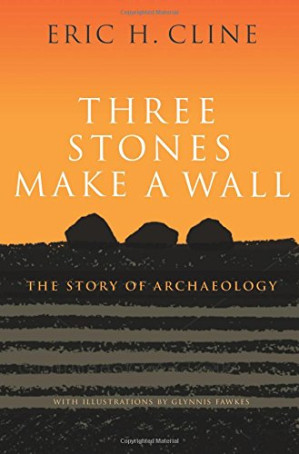
Three Stones Make a Wall : The Story of Archaeology 🔍
Eric H. Cline; with illustrations by Glynnis Fawkes
Princeton University Press, Illustrated, PS, 2017
English [en] · PDF · 20.3MB · 2017 · 📘 Book (non-fiction) · 🚀/lgli/lgrs/nexusstc/upload/zlib · Save
description
**From the bestselling author of __1177 B.C.__, a comprehensive history of archaeology--from its amateur beginnings to the cutting-edge science it is today.**
In 1922, Howard Carter peered into Tutankhamun's tomb for the first time, the only light coming from the candle in his outstretched hand. Urged to tell what he was seeing through the small opening he had cut in the door to the tomb, the Egyptologist famously replied, "I see wonderful things." Carter's fabulous discovery is just one of the many spellbinding stories told in __Three Stones Make a Wall__.
Written by Eric Cline, an archaeologist with more than thirty seasons of excavation experience, __Three Stones Make a Wall__ traces the history of archaeology from an amateur pursuit to the cutting-edge science it is today by taking the reader on a tour of major archaeological sites and discoveries, from Pompeii to Petra, Troy to the Terracotta Warriors, and Mycenae to Megiddo and Masada. Cline brings to life the personalities behind these digs, including Heinrich Schliemann, the former businessman who excavated Troy, and Mary Leakey, whose discoveries advanced our understanding of human origins. The discovery of the peoples and civilizations of the past is presented in vivid detail, from the Hittites and Minoans to the Inca, Aztec, and Moche. Along the way, the book addresses the questions archaeologists are asked most often: How do you know where to dig? How are excavations actually done? How do you know how old something is? Who gets to keep what is found?
Taking readers from the pioneering digs of the eighteenth century to the exciting new discoveries being made today, __Three Stones Make a Wall__ is a lively and essential introduction to the story of archaeology.
In 1922, Howard Carter peered into Tutankhamun's tomb for the first time, the only light coming from the candle in his outstretched hand. Urged to tell what he was seeing through the small opening he had cut in the door to the tomb, the Egyptologist famously replied, "I see wonderful things." Carter's fabulous discovery is just one of the many spellbinding stories told in __Three Stones Make a Wall__.
Written by Eric Cline, an archaeologist with more than thirty seasons of excavation experience, __Three Stones Make a Wall__ traces the history of archaeology from an amateur pursuit to the cutting-edge science it is today by taking the reader on a tour of major archaeological sites and discoveries, from Pompeii to Petra, Troy to the Terracotta Warriors, and Mycenae to Megiddo and Masada. Cline brings to life the personalities behind these digs, including Heinrich Schliemann, the former businessman who excavated Troy, and Mary Leakey, whose discoveries advanced our understanding of human origins. The discovery of the peoples and civilizations of the past is presented in vivid detail, from the Hittites and Minoans to the Inca, Aztec, and Moche. Along the way, the book addresses the questions archaeologists are asked most often: How do you know where to dig? How are excavations actually done? How do you know how old something is? Who gets to keep what is found?
Taking readers from the pioneering digs of the eighteenth century to the exciting new discoveries being made today, __Three Stones Make a Wall__ is a lively and essential introduction to the story of archaeology.
Alternative filename
upload/motw_shc_2025_10/shc/Three Stones Make a Wall_ The S - Eric H. Cline.pdf
Alternative filename
upload/motw_shc_2025_10/shc/Three Stones Make a Wall_ The Story of Arc - Eric H. Cline.pdf
Alternative filename
nexusstc/Three Stones Make a Wall: The Story of Archaeology/ea5d6422516dd96e598910f86b36a32b.pdf
Alternative filename
lgli/Three Stones Make a Wall The Story of Archaeology-9780691166407.pdf
Alternative filename
lgrsnf/Three Stones Make a Wall The Story of Archaeology-9780691166407.pdf
Alternative author
Cline, Eric H.
Alternative publisher
Princeton University, Department of Art & Archaeology
Alternative edition
Princeton University Press, Princeton, 2018
Alternative edition
United States, United States of America
Alternative edition
Princeton, New Jersey, 2017
metadata comments
0
metadata comments
lg1642452
metadata comments
producers:
Adobe PDF Library 15.0
Adobe PDF Library 15.0
metadata comments
{"edition":"Illustrated","isbns":["0691166404","9780691166407"],"last_page":480,"publisher":"Princeton University Press"}
metadata comments
Maps on front and back lining papers.
Includes bibliographical references and index.
Includes bibliographical references and index.
Alternative description
In 1922, Howard Carter Peered Into Tutankhamun's Tomb For The First Time, The Only Light Coming From The Candle In His Outstretched Hand. Urged To Tell What He Was Seeing Through The Small Opening He Had Cut In The Door To The Tomb, The Egyptologist Famously Replied, 'i See Wonderful Things.' Carter's Fabulous Discovery Is Just One Of The Many Spellbinding Stories Told In Three Stones Make A Wall. Written By Eric Cline, An Archaeologist With More Than Thirty Seasons Of Excavation Experience, Three Stones Make A Wall Traces The History Of Archaeology From An Amateur Pursuit To The Cutting-edge Science It Is Today By Taking The Reader On A Tour Of Major Archaeological Sites And Discoveries, From Pompeii To Petra, Troy To The Terracotta Warriors, And Mycenae To Megiddo And Masada. Cline Brings To Life The Personalities Behind These Digs, Including Heinrich Schliemann, The Former Businessman Who Excavated Troy, And Mary Leakey, Whose Discoveries Advanced Our Understanding Of Human Origins. The Discovery Of The Peoples And Civilizations Of The Past Is Presented In Vivid Detail, From The Hittites And Minoans To The Inca, Aztec, And Moche. Along The Way, The Book Addresses The Questions Archaeologists Are Asked Most Often: How Do You Know Where To Dig? How Are Excavations Actually Done? How Do You Know How Old Something Is? Who Gets To Keep What Is Found? Taking Readers From The Pioneering Digs Of The Eighteenth Century To The Exciting New Discoveries Being Made Today, Three Stones Make A Wall Is A Lively And Essential Introduction To The Story Of Archaeology-- Preface: A Petrified Monkey's Paw -- Prologue: Wonderful Things : King Tut And His Tomb -- Part 1. Early Archaeology And Archaeologists -- Ashes To Ashes In Ancient Italy -- Digging Up Troy -- From Egypt To Eternity -- Mysteries In Mesopotamia -- Exploring The Jungles Of Central America -- Digging Deeper 1: How Do You Know Where To Dig? -- Part 2. Africa, Europe, And The Levant : Early Hominins To Farmers -- Discovering Our Earliest Ancestors -- First Farmers In The Fertile Crescent -- Part 3. Excavating The Bronze Age Aegean -- Revealing The First Greeks -- Finding Atlantis? -- Enchantment Under The Sea -- Part 4. Uncovering The Classics -- From Discus-throwing To Democracy -- What Have The Romans Ever Done For Us? -- Digging Deeper 2: How Do You Know How To Dig? -- Part 5. Discoveries In The Holy Land And Beyond -- Digging Up Armageddon -- Unearthing The Bible -- Mystery At Masada -- Cities Of The Desert -- Digging Deeper 3: How Old Is This And Why Is It Preserved? -- Part 6. New World Archaeology -- Lines In The Sand, Cities In The Sky -- Giant Heads, Feathered Serpents, And Golden Eagles -- Submarines And Settlers; Gold Coins And Lead Bullets -- Digging Deeper 4: Do You Get To Keep What You Find? -- Epilogue: Back To The Future. Eric H. Cline ; With Illustrations By Glynnis Fawkes. Includes Bibliographical References And Index.
Alternative description
Cover 1
Title 4
Copyright 5
CONTENTS 6
List of Illustrations 8
Preface: A Petrified Monkey’s Paw 12
Prologue: “Wonderful Things”: King Tut and His Tomb 22
PART 1 EARLY ARCHAEOLOGY AND ARCHAEOLOGISTS 32
1 Ashes to Ashes in Ancient Italy 34
2 Digging Up Troy 45
3 From Egypt to Eternity 59
4 Mysteries in Mesopotamia 73
5 Exploring the Jungles of Central America 87
Digging Deeper 1: How Do You Know Where to Dig? 101
PART 2 AFRICA, EUROPE, AND THE LEVANT: EARLY HOMININS TO FARMERS 116
6 Discovering Our Earliest Ancestors 118
7 First Farmers in the Fertile Crescent 136
PART 3 EXCAVATING THE BRONZE AGE AEGEAN 150
8 Revealing the First Greeks 152
9 Finding Atlantis? 167
10 Enchantment Under the Sea 178
PART 4 UNCOVERING THE CLASSICS 190
11 From Discus-Throwing to Democracy 192
12 What Have the Romans Ever Done for Us? 209
Digging Deeper 2: How Do You Know How to Dig? 225
PART 5 DISCOVERIES IN THE HOLY LAND AND BEYOND 240
13 Excavating Armageddon 242
14 Unearthing the Bible 255
15 Mystery at Masada 266
16 Cities of the Desert 278
Digging Deeper 3: How Old Is This and Why Is It Preserved? 290
PART 6 NEW WORLD ARCHAEOLOGY 310
17 Lines in the Sand, Cities in the Sky 312
18 Giant Heads, Feathered Serpents, and Golden Eagles 324
19 Submarines and Settlers; Gold Coins and Lead Bullets 335
Digging Deeper 4: Do You Get to Keep What You Find? 347
Epilogue: Back to the Future 354
Acknowledgments 362
Notes 364
Bibliography 404
Index 452
Title 4
Copyright 5
CONTENTS 6
List of Illustrations 8
Preface: A Petrified Monkey’s Paw 12
Prologue: “Wonderful Things”: King Tut and His Tomb 22
PART 1 EARLY ARCHAEOLOGY AND ARCHAEOLOGISTS 32
1 Ashes to Ashes in Ancient Italy 34
2 Digging Up Troy 45
3 From Egypt to Eternity 59
4 Mysteries in Mesopotamia 73
5 Exploring the Jungles of Central America 87
Digging Deeper 1: How Do You Know Where to Dig? 101
PART 2 AFRICA, EUROPE, AND THE LEVANT: EARLY HOMININS TO FARMERS 116
6 Discovering Our Earliest Ancestors 118
7 First Farmers in the Fertile Crescent 136
PART 3 EXCAVATING THE BRONZE AGE AEGEAN 150
8 Revealing the First Greeks 152
9 Finding Atlantis? 167
10 Enchantment Under the Sea 178
PART 4 UNCOVERING THE CLASSICS 190
11 From Discus-Throwing to Democracy 192
12 What Have the Romans Ever Done for Us? 209
Digging Deeper 2: How Do You Know How to Dig? 225
PART 5 DISCOVERIES IN THE HOLY LAND AND BEYOND 240
13 Excavating Armageddon 242
14 Unearthing the Bible 255
15 Mystery at Masada 266
16 Cities of the Desert 278
Digging Deeper 3: How Old Is This and Why Is It Preserved? 290
PART 6 NEW WORLD ARCHAEOLOGY 310
17 Lines in the Sand, Cities in the Sky 312
18 Giant Heads, Feathered Serpents, and Golden Eagles 324
19 Submarines and Settlers; Gold Coins and Lead Bullets 335
Digging Deeper 4: Do You Get to Keep What You Find? 347
Epilogue: Back to the Future 354
Acknowledgments 362
Notes 364
Bibliography 404
Index 452
Alternative description
From the bestselling author of 1177 B.C., a comprehensive history of archaeology—from its amateur beginnings to the cutting-edge science it is todayIn 1922, Howard Carter peered into Tutankhamun's tomb for the first time, the only light coming from the candle in his outstretched hand. Urged to tell what he was seeing through the small opening he had cut in the door to the tomb, the Egyptologist famously replied, “I see wonderful things.” Carter's fabulous discovery is just one of the many spellbinding stories told in Three Stones Make a Wall. Written by Eric Cline, an archaeologist with more than thirty seasons of excavation experience, this book traces the history of archaeology from an amateur pursuit to the cutting-edge science it is today by taking the reader on a tour of major archaeological sites and discoveries. Along the way, it addresses the questions archaeologists are asked most often: How do you know where to dig? How are excavations actually done? How do you know how old something is? Who gets to keep what is found? Taking readers from the pioneering digs of the eighteenth century to today's exciting new discoveries, Three Stones Make a Wall is a lively and essential introduction to the story of archaeology.
date open sourced
2017-04-10
🚀 Fast downloads
Become a member to support the long-term preservation of books, papers, and more. To show our gratitude for your support, you get fast downloads. ❤️
- Fast Partner Server #1 (recommended)
- Fast Partner Server #2 (recommended)
- Fast Partner Server #3 (recommended)
- Fast Partner Server #4 (recommended)
- Fast Partner Server #5 (recommended)
- Fast Partner Server #6 (recommended)
- Fast Partner Server #7
- Fast Partner Server #8
- Fast Partner Server #9
- Fast Partner Server #10
- Fast Partner Server #11
- Fast Partner Server #12
🐢 Slow downloads
From trusted partners. More information in the FAQ. (might require browser verification — unlimited downloads!)
- Slow Partner Server #1 (slightly faster but with waitlist)
- Slow Partner Server #2 (slightly faster but with waitlist)
- Slow Partner Server #3 (slightly faster but with waitlist)
- Slow Partner Server #4 (slightly faster but with waitlist)
- Slow Partner Server #5 (no waitlist, but can be very slow)
- Slow Partner Server #6 (no waitlist, but can be very slow)
- Slow Partner Server #7 (no waitlist, but can be very slow)
- Slow Partner Server #8 (no waitlist, but can be very slow)
- Slow Partner Server #9 (no waitlist, but can be very slow)
- After downloading: Open in our viewer
All download options have the same file, and should be safe to use. That said, always be cautious when downloading files from the internet, especially from sites external to Anna’s Archive. For example, be sure to keep your devices updated.
External downloads
-
For large files, we recommend using a download manager to prevent interruptions.
Recommended download managers: JDownloader -
You will need an ebook or PDF reader to open the file, depending on the file format.
Recommended ebook readers: Anna’s Archive online viewer, ReadEra, and Calibre -
Use online tools to convert between formats.
Recommended conversion tools: CloudConvert and PrintFriendly -
You can send both PDF and EPUB files to your Kindle or Kobo eReader.
Recommended tools: Amazon‘s “Send to Kindle” and djazz‘s “Send to Kobo/Kindle” -
Support authors and libraries
✍️ If you like this and can afford it, consider buying the original, or supporting the authors directly.
📚 If this is available at your local library, consider borrowing it for free there.
Total downloads:
A “file MD5” is a hash that gets computed from the file contents, and is reasonably unique based on that content. All shadow libraries that we have indexed on here primarily use MD5s to identify files.
A file might appear in multiple shadow libraries. For information about the various datasets that we have compiled, see the Datasets page.
For information about this particular file, check out its JSON file. Live/debug JSON version. Live/debug page.